Eating the right and proper foods may be another option that can help slow down kidney deterioration. And eating healthy food is another option that will help reduce the risk of kidney disease and various diseases. Especially for those with chronic diseases who need to pay special attention to their eating behavior. Each day, you should eat all 5 food groups and be careful in choosing the types of food.
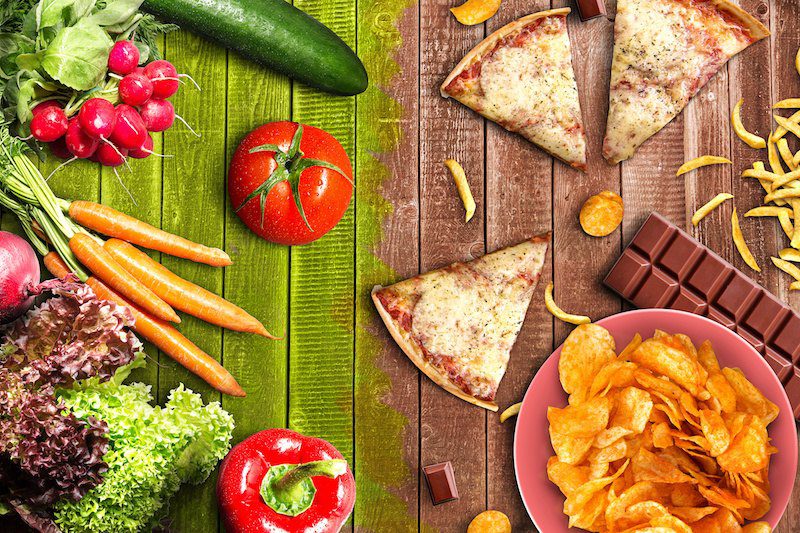
Kidney disease is cause by abnormalities of the kidneys that cannot eliminate waste from the body. Normally, the kidneys have the function of filtering various nutrients in the blood. And removing waste from the blood and excess water in the form of urine. As a result, patients experience nausea, vomiting, fatigue, exhaustion, decreased urination, สมัคร UFABET วันนี้ รับเครดิตฟรีสำหรับสมาชิกใหม่, etc.
Eating the right and proper foods may be another option that can help slow down kidney deterioration. Each meal should include a variety of foods, but at the same time, they should avoid foods that cause waste to accumulate in the body. Which will cause the kidneys to work harder and may accelerate kidney deterioration.
Carbohydrate: Food for kidney patients In cases where patients with end-stage renal disease need to limit protein, they may need to use protein-free flour, such as glass noodles or Shanghai noodles, in addition to rice. In cases where patients also have diabetes, they should choose to use artificial sugar instead.
Avoid : Rice, noodles, macaroni. Although these are important sources of energy for the body, they also contain some protein, which can lead to getting too much protein.
Fat: Fatty foods can be eat, but should be limit to no more than 30-35% of energy receive from food. The amount of saturat fat and trans fat will be mostly reduce. Therefore, the recommended types of fat to eat are low-fat and good fats, such as olive oil, rice bran oil, or soybean oil.
Avoid : Foods high in cholesterol such as seafood, fast food, egg yolks, animal organs, and saturated fats from plants and animals such as coconut milk, palm oil, lard, and trans fats such as margarine and white butter found in various bakery products.
Sodium: It is recommend that patients with kidney disease at all stages should limit the amount of sodium they use to about 2-3 grams/day. They should reduce the amount of soy sauce use for cooking to about 3 teaspoons per day. And avoid fast food, processed food, salty food, and instant food such as snacks, ham, bacon, sausage, instant noodles, etc.
Normally, the kidneys are able to control the amount of water and electrolytes to be in proper balance. If the patient has chronic kidney failure, the kidneys are not able to work at their full potential. And therefore cannot control the amount of electrolytes to be in balance. Most kidney patients try to avoid salty condiments, such as salt and fish sauce. But that may not be a comprehensive understanding.
In fact, what makes the kidneys work harder is sodium, a mineral that is hidden in many foods in our daily lives. Since most salty foods tend to have high sodium content. It can be conclud that if you want to reduce sodium in your diet, reducing salt is the most convenient method in practice. There is another point to be careful about when preparing food for kidney disease patients. Because sodium is not only in salty foods.